Ask anyone what makes a meal actually memorable, and more often than not, the answer traces back to good produce. That crisp bite of a perfectly cooked vegetable, the rich color in a well-made curry, the freshness that ties a whole dish together, it all starts with what you're buying before you even turn on the stove. Yet most of us rarely pause to think about where our vegetables come from or whether we're picking the right ones for what we're cooking. This becomes especially clear when a recipe calls for something specific that just isn't sitting on a typical supermarket shelf, which is usually the moment people start looking for an Indian grocery store in it instead. Here, we'll dig into what actually counts as a natural vegetable, walk through the many categories you'll come across, and explain how grocery shopping factors into getting genuinely fresh produce home
Put simply, natural vegetables are the ones allowed to grow the old-fashioned way, in real soil, on their own timeline, without heavy doses of synthetic pesticides or chemical shortcuts to speed up ripening. Nothing about the process is rushed or overly engineered, and that difference shows up in the taste. A vine-ripened tomato grown naturally just doesn't compare to one that's been artificially forced to ripen and trucked across several states.
There are usually a few telltale signs of naturally grown produce: irregular shapes, availability tied to the season rather than year-round stocking, and flavors that feel more intense rather than diluted. That's a big part of why shoppers increasingly turn to an Indian grocery store in it once they start paying closer attention to their cooking, these shops typically prioritize freshness and traditional sourcing over mass production. It might seem like a minor shift in shopping habits, but it makes a real difference in the final dish.
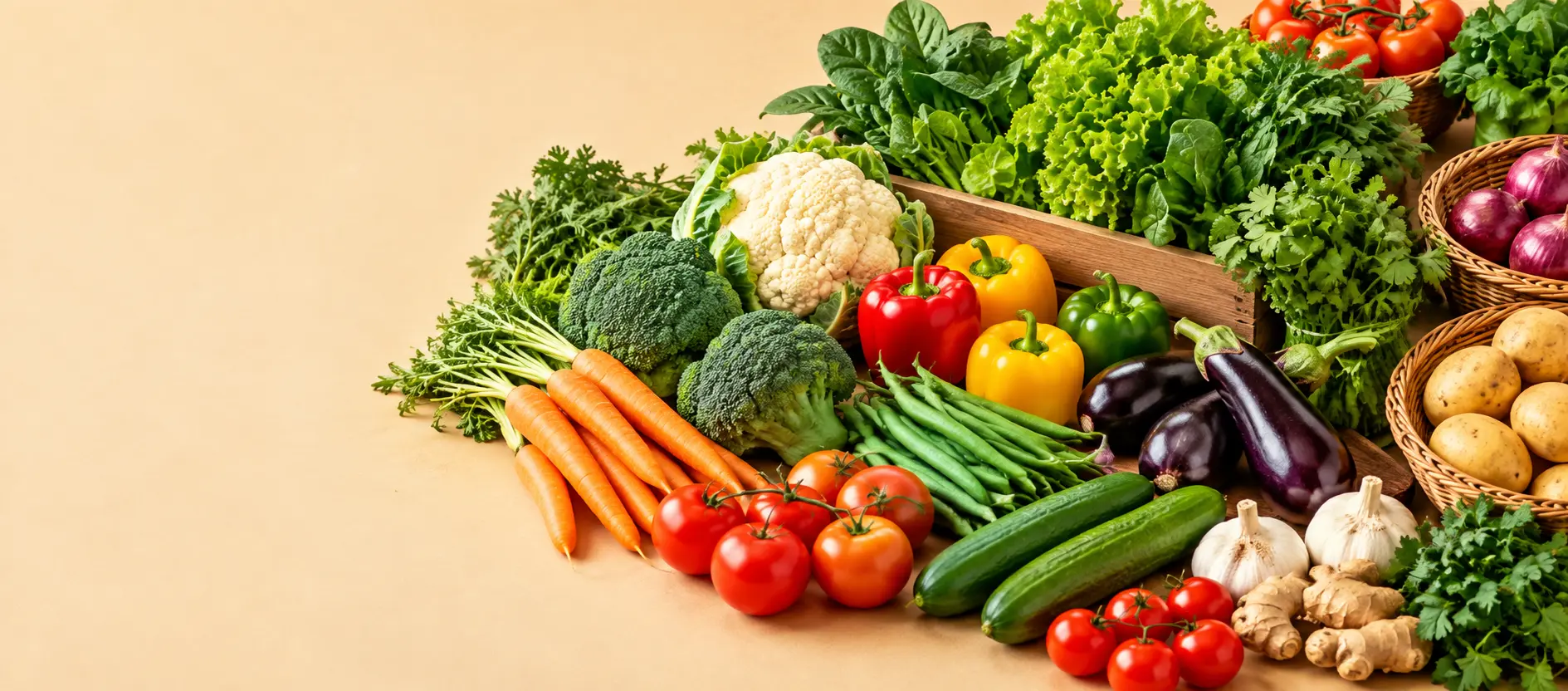
Vegetables don't fall into just one bucket, they split into several distinct groups, and knowing them makes planning meals far simpler. Leafy greens such as spinach, kale, and fenugreek leaves are everywhere, from soups to quick sautés, thanks to how versatile and nutrient-dense they are. Root vegetables like carrots, radishes, beets, and turnips grow beneath the soil and hold up well in slow, hearty cooking. Cruciferous vegetables, think cauliflower, broccoli, and cabbage, bring their own set of health advantages and appear across nearly every style of cooking imaginable.
Gourds and squashes make up another important group, particularly in South Asian kitchens, bottle gourd, bitter gourd, and pumpkin are all regulars in traditional dishes, even if they don't get much attention elsewhere. Legumes and pods round things out, green beans, peas, and okra each bring their own texture and flavor to the table. For anyone trying to put together authentic Indian food in it, a lot of these vegetables aren't optional extras, they're central to getting the dish right, and they're not always easy to track down at a standard supermarket
It might sound like an obvious question, but it deserves a closer look. Modern grocery stores stock a lot more than just produce, packaged foods, dairy, spices, household items, vegetables are only one slice of a much larger operation. Still, fresh produce tends to be the main reason most people head to the store in the first place.
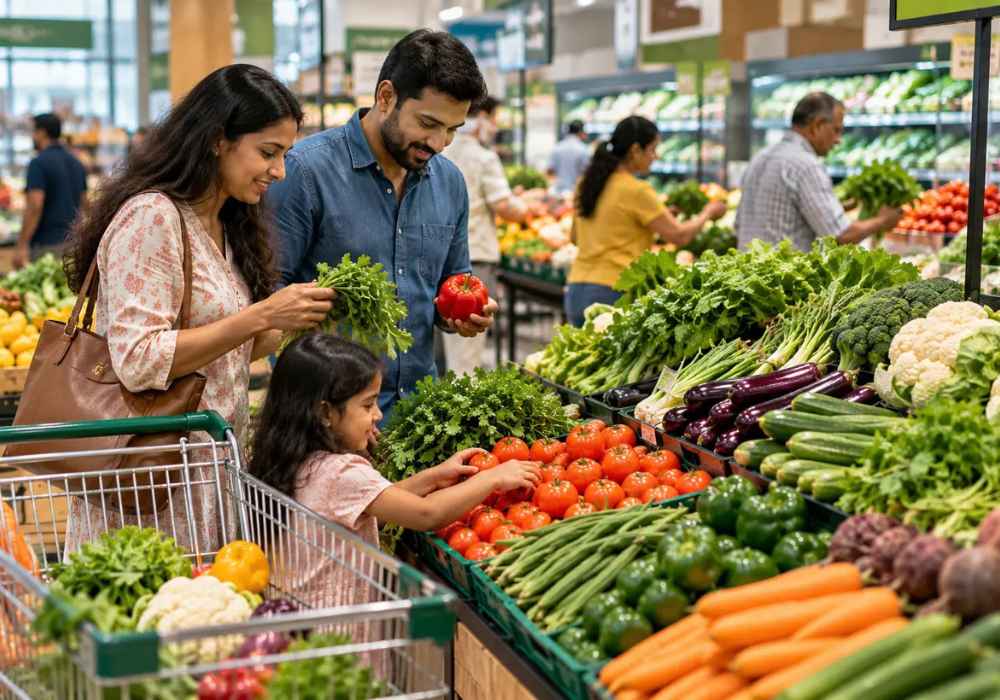
Things change, though, when you're cooking something specific. At that point, grocery shopping shifts from a routine errand into more of a targeted search. You're not grabbing whatever's convenient, you're after a particular variety, a certain level of freshness, and often specific Indian ingredients in it that mainstream grocery chains simply don't carry. Items like curry leaves, drumsticks, or certain types of gourds rarely show up in a standard produce section, which explains why specialty grocery stores have become essential for home cooks trying to get a recipe just right
That search for the right ingredient is often what separates an average home-cooked meal from one that actually tastes the way it's supposed to, and it's a small inconvenience that shapes where people choose to shop regularly
Vegetables are far more than a side note on the plate, they're genuinely the backbone of good cooking across every cuisine. Understanding what makes produce naturally grown and knowing the different categories makes both shopping and cooking noticeably easier.
Whether you're stocking everyday basics or chasing down one particular vegetable a recipe calls for, sourcing well makes all the difference. If you're near Waxhaw and looking for a dependable place to find fresh vegetables and authentic ingredients, Triveni Super Market in Waxhaw is well worth a visit.
A:Examples include spinach, carrots, radishes, cauliflower, broccoli, bottle gourd, pumpkin, okra, green beans, and peas
A:Storage depends on the vegetable. Many leafy greens should be refrigerated, while some vegetables such as potatoes and onions are best kept in a cool, dry, well-ventilated place.
A:Different vegetables provide unique flavors, textures, colors, and culinary uses, making them suitable for curries, stir-fries, soups, salads, and other dishes.
A:Fresh Indian vegetables and specialty produce can often be found at Indian grocery stores, farmers markets, and supermarkets with international produce sections.


All Rights Reserved, Copyrights © Triveni Supermarket
Powered By
Aries
Connects
World Inc.